







Search Results for: Cocoa Powder
How can you make an iced mocha that tastes really good? Chocolate sauce and cocoa powder ratio tips and how to recreate the Starbucks flavor at home
Recently, more and more customers have been coming to Front Street stores asking about mocha coffee. Unfortunately, this product has been removed from the Front Street menu, so many friends have no choice but to make it themselves at home. However, homemade mocha often runs into two problems: either the chocolate flavor is too weak, or it is sickeningly sweet. What is the root of the problem? In fact, the key is that the sugar content in chocolate sauce cannot be separated out on its own, so relying on it alone makes it hard to achieve both. Front Street's approach is to pair it with unsweetened cocoa powder to boost the chocolate intensity while controlling sweetness. This article will break down in detail the formula ratios, preparation order, and operational details for iced mocha and hot mocha, and recommend Front Street's classic espresso blend coffee beans suitable for making mocha, helping you recreate a rich and smooth Starbucks-style mocha at home. [more…]

What Is Caffè Marocchino? A Look at the Italian Niche Chocolate Drink's Recipe and Flavor Profile
In the big family of fancy espresso drinks, there is a very niche yet highly storied beverage—Caffè Marocchino, often transliterated into Chinese as "玛罗奇诺咖啡," literally meaning "Moroccan coffee." Its combination of ingredients is actually quite familiar: espresso, milk foam, and chocolate sauce or cocoa powder. It sounds similar to a mocha, but the flavor and mouthfeel are completely different. This coffee was born in Italy, and the origin of its name is unexpectedly linked to the brown leather strips of the luxury hat brand Borsalino. This article will take you through the historical origins of Caffè Marocchino, its differences from mocha, and share Front Street Coffee's commonly used preparation method and tasting impressions, so you can easily recreate this layered Italian niche classic at home. [more…]

Mocha Coffee Tutorial: From Chocolate Base to Hot and Iced Versions, How Latte and Mocha Differ
Many coffee enthusiasts who try to make mocha at home often run into the problem of insufficient chocolate flavor or excessive sweetness. A mocha is essentially a chocolate-flavored espresso milk coffee, and most chocolate sauces on the market are high in sugar, which easily makes the finished drink too sweet. Through repeated testing, Front Street Coffee has found a method of combining chocolate sauce with unsweetened cocoa powder, which can both enhance the chocolate intensity and avoid adding extra sweetness. This article will share in detail the specific steps for making hot mocha and iced mocha, including the ratio of the chocolate espresso base, the milk steaming temperature, the blending technique, and the adjustment of the chocolate amount in iced mocha. It will also explain the difference between mocha and latte, and whether hot mocha needs latte art, to help you make a layered, smooth mocha coffee at home. [more…]
Iced Mocha Coffee Making Tutorial: Chocolate Base Ratio and Analysis of the Differences Between Hot and Iced Mocha Methods
Mocha coffee is a classic Italian milk coffee infused with chocolate flavor, but many people often run into the problem of a weak chocolate taste or excessive sweetness when making it at home. This article starts with the material selection and ratios for the chocolate base, explaining in detail the preparation process for iced mocha and hot mocha, including the logic behind combining chocolate sauce with unsweetened cocoa powder, the effect of ice cubes on flavor and the corresponding adjustments, along with the recommended reasons and extraction parameter references for Front Street's classic Italian blend, to help coffee enthusiasts make a cup of mocha coffee with rich chocolate and moderate sweetness at home. [more…]
Recreating Mocha Coffee at Home: Bean Selection Guide and Detailed Hot and Iced Recipes
Mocha coffee is an Italian-style milk coffee infused with chocolate. With its rich cocoa flavor and sweet taste, it has always had a loyal following. However, many people who try to make it at home often run into problems: the chocolate flavor isn't strong enough, or it turns out cloyingly sweet. In fact, the key lies in the choice and pairing of chocolate sauce—store-bought chocolate sauce tends to be high in sugar, and using it alone makes it hard to balance bitterness and sweetness. In this article, drawing on the practical experience of Front Street Coffee, we'll share how to boost chocolate intensity with unsweetened cocoa powder, and separately introduce the specific steps for making hot mocha and iced mocha, including coffee bean recommendations, ingredient ratios, and milk frothing techniques, to help you make a cup of mocha coffee with rich layers of flavor and a pleasant balance of sweetness and bitterness. [more…]

The Complete Guide to Making Mocha Coffee at Home: From Chocolate Base Blending to Detailed Hot and Iced Methods
Mocha coffee has always been a favorite among coffee lovers thanks to its rich chocolate flavor and full-bodied taste. However, many people who try making it at home often run into the problem of the chocolate flavor not being prominent enough or the drink being too sweet. The key actually lies in the choice and pairing of chocolate sauce—store-bought chocolate sauce is convenient, but because of its high sugar content, it struggles to work well on its own. Front Street Coffee will share a recipe that has been repeatedly tested, using unsweetened cocoa powder to boost the chocolate intensity while balancing the sweetness, making the mocha both rich and easy to drink. This article will introduce the complete steps for making hot mocha and iced mocha separately, covering base preparation, milk frothing, blending techniques, and more, to help you easily make a cup of mocha coffee with rich layers and alluring flavor. [more…]
Italian Milk Coffee | What Is Mocha Coffee? How Do the Ratios Differ Between Mocha and Latte Preparation Methods? Which Tastes Better at Starbucks, Mocha or Latte?
Many people think that mocha coffee and latte coffee are about the same. Although both belong to Italian coffee and use Espresso and milk, they still differ greatly in taste and preparation ratios. Today Front Street Coffee will talk about the differences between mocha coffee and latte coffee. Latte originates from the Italian word L [more…]
Mocha Recipe | What's the Difference Between Italian Milk Coffee, Mocha, and Latte? How Can Coffee Beginners Make a Starbucks-Style Mocha at Home?
Recently, more and more friends have been visiting Front Street Coffee stores to ask about Mocha coffee. Unfortunately, Mocha coffee has already been removed from Front Street Coffee's menu, so these friends have been turned away one after another. "Since we can't buy it outside, we'll just make it ourselves and take care of our own needs." Most friends, holding onto this idea, went home [more…]
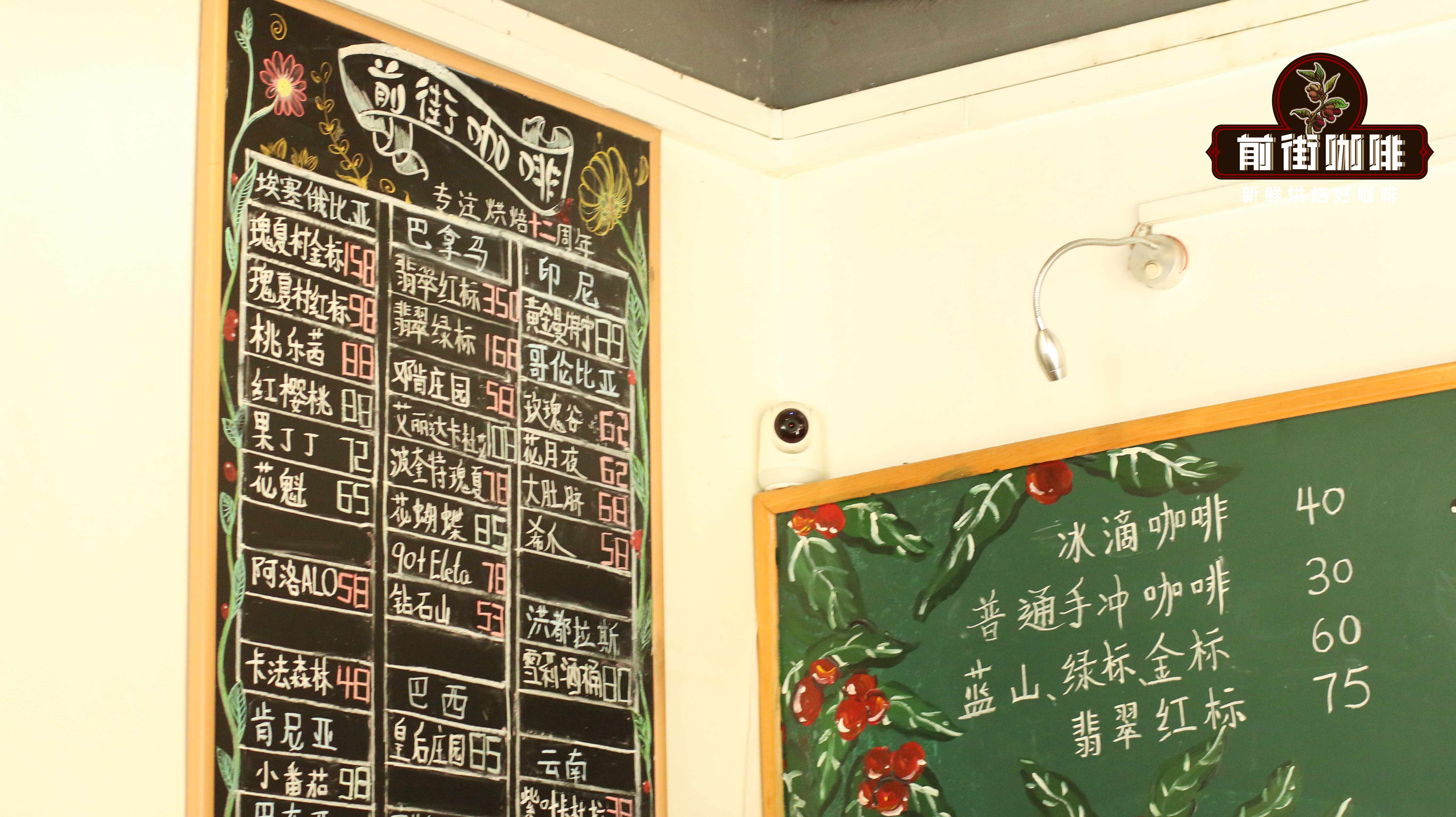
Mocha Coffee Tutorial Illustrated | What Is Espresso Milk Coffee Mocha? Which Coffee Beans Are Suitable for Making Mocha? How to Make a Delicious Mocha at Home?
For more specialty coffee knowledge, please follow: Front Street Coffee (Frontsteet Coffee) Recently, more friends have been visiting Front Street stores to ask about Mocha coffee. Unfortunately, Mocha coffee has already been removed from Front Street's menu, so these friends have all hit a dead end one after another. "Since [more…]
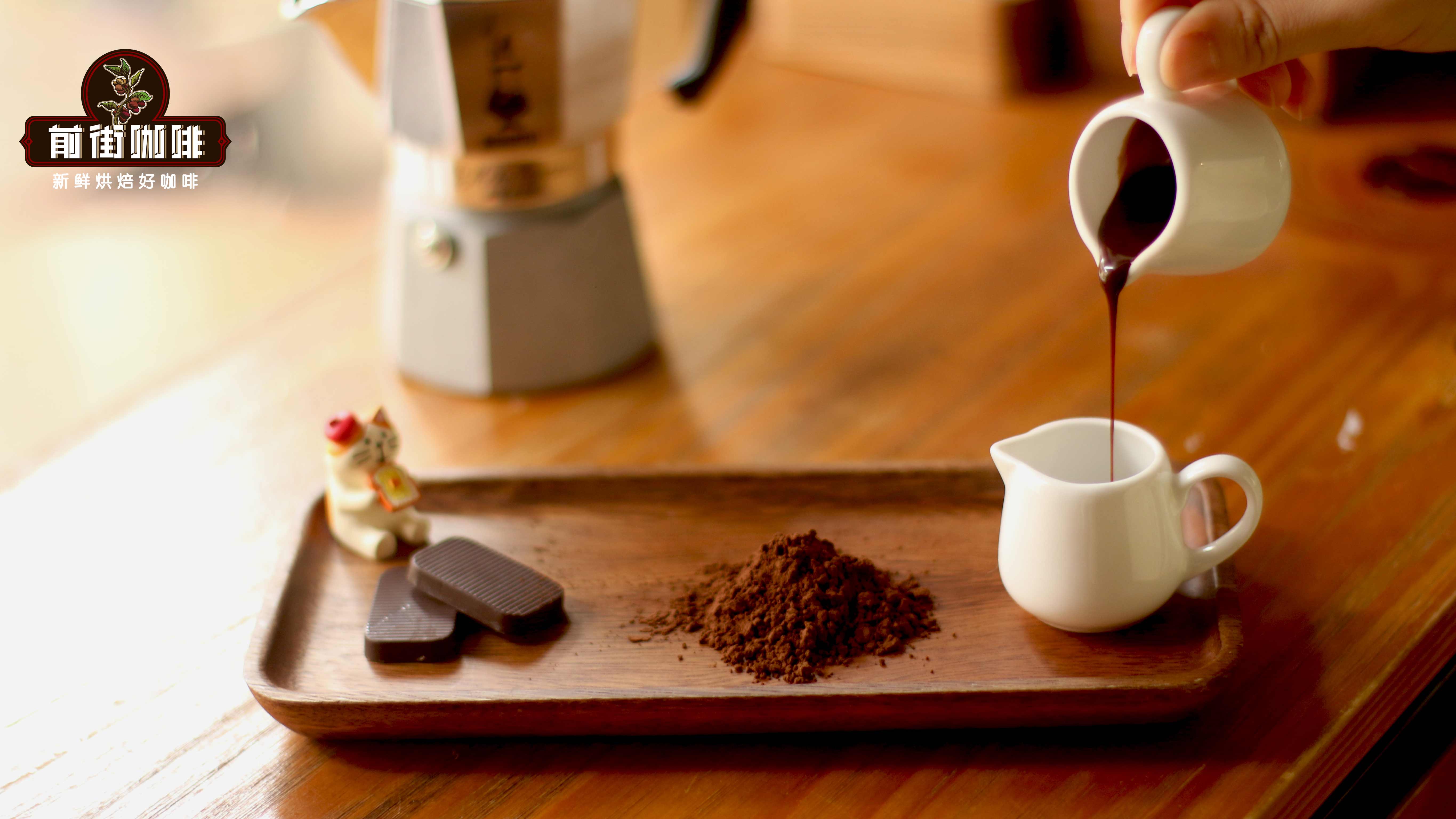
Mocha Coffee Beans Recommendation | Which coffee beans are suitable for making mocha coffee? How to make mocha coffee at home? Introduction to the key points of iced mocha coffee making techniques
For more specialty coffee knowledge, please follow: Front Street Coffee (Frontsteet Coffee) Recently, more friends have been visiting Front Street stores to ask about Mocha coffee. Unfortunately, Mocha coffee has already been removed from Front Street's menu, so friends have been disappointed one after another. "Since [more…]

Brazilian Coffee | Why Are Most Commercial Espresso Beans Brazilian? Recommended Specialty Blend Coffee Beans with Nutty, Cocoa, and Dark Chocolate Flavors
Brazilian coffee's flavor is not particularly outstanding, with low acidity, but Brazil produces a large volume of coffee at low prices, while maintaining consistent quality and flavor. It has a balanced flavor with notes of cocoa and nuts, and a rich, mellow taste. Therefore, it is often one of the components in espresso blends, as it not only reduces costs but also provides sweet, mellow aroma to the espresso. The most [more…]
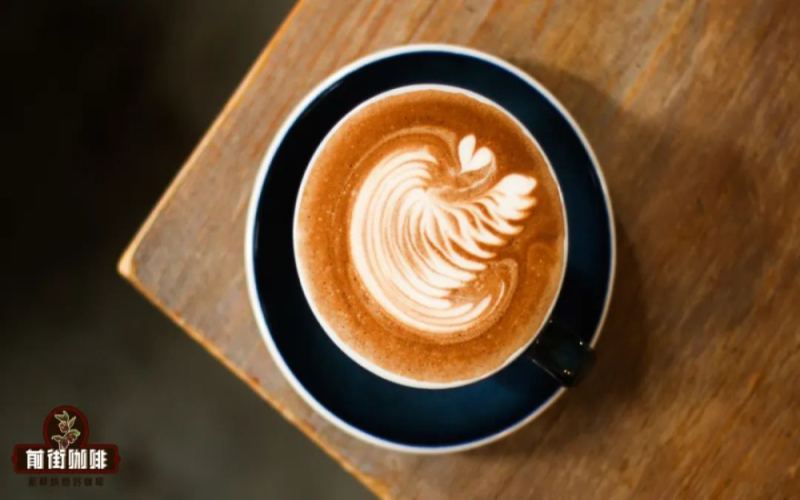
Analyzing the Flavor Differences Between Starbucks Mocha and Latte, with a Complete Front Street Coffee Hot and Iced Mocha Tutorial
Mocha and latte both belong to the family of Italian milk coffees, and neither can do without espresso and milk, yet the two are completely different in formula structure and flavor direction. A latte places more emphasis on the balance between the coffee beans' own flavor and the fresh sweetness of the milk, while the core of a mocha lies in the intensity of the chocolate flavor and the control of the sweet-to-bitter ratio. Starting from Front Street's production experience, this article first clarifies the essential differences between the two, then takes a deeper look at common mistakes in making mocha, and separately provides detailed recipes, steps, and ingredient-adjustment logic for hot mocha and iced mocha, helping coffee lovers, on the basis of understanding the principles, make a cup of mocha that is rich in chocolate, sweet without being cloying, and clearly layered, while also retaining the bean-selection and preparation reference for the latte portion. [more…]
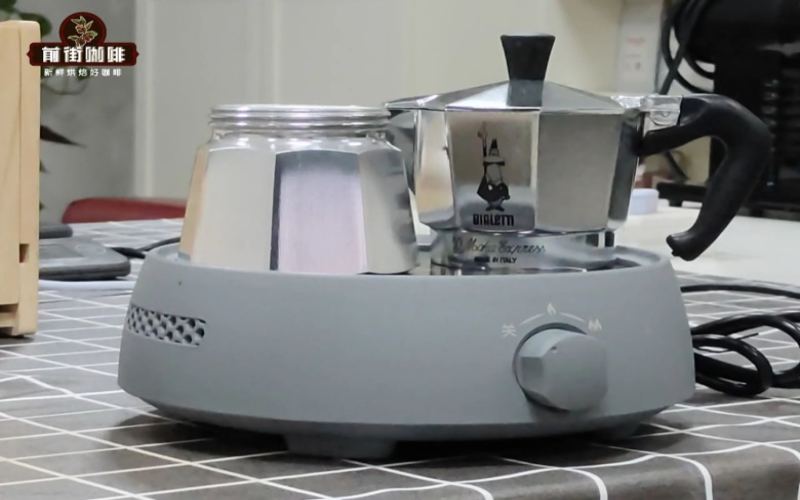
How much coffee powder and water should you use in a moka pot? What powder-to-water ratio is suitable?: Bean selection advice based on everyday drinking habits
From light to dark roasts, the flavor focus gradually shifts from floral and fruity notes with bright acidity toward sweetness and balance, and then to nutty, cocoa, and full-bodied notes, with the extraction rhythm changing accordingly. None is inherently superior—whatever suits your way of drinking is the right choice. The moka pot works by steam-pressure extraction; simply fill the filter basket with ground coffee, no need to [more…]
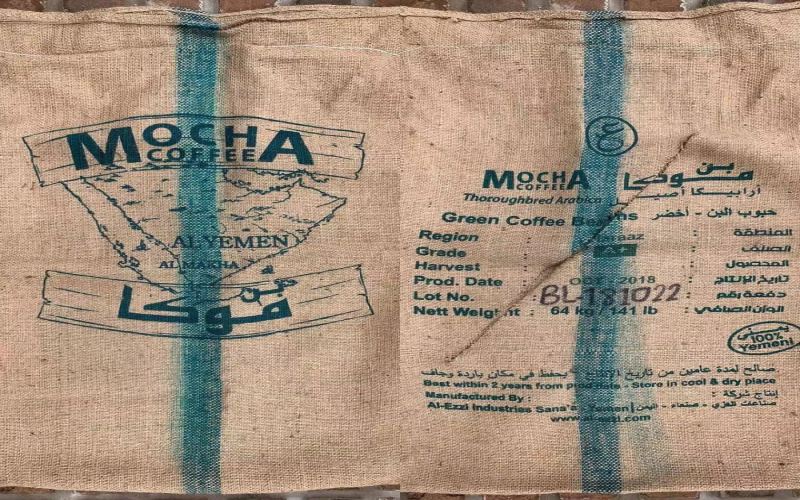
What's the difference between a mocha and a latte? A comprehensive analysis of their differences, from historical origins to preparation recipes
Mocha and latte are the two most common espresso milk coffees on cafe menus, but their flavor profiles and preparation methods are completely different. Mocha gets its name from the Yemeni port of Mocha, and in the early days it was once synonymous with coffee; the modern espresso mocha, on the other hand, evolved from the latte with the addition of chocolate. From the perspective of Front Street Coffee, this article sorts through the historical thread of mocha, explains in detail the specific methods for making hot mocha and iced mocha, and compares them with the preparation process for a hot latte, helping coffee lovers understand the core differences between the two in ingredients, taste, and the logic of serving. [more…]
Mocha Coffee History and Brewing Guide: Complete Recipes for Hot and Iced Mocha with an Espresso Machine
The word "mocha" originates from the port of Mocha in Yemen, once the mandatory passage for all coffee bean exports, which is why Europeans collectively referred to coffee from there as mocha coffee. Times have changed, and today's espresso mocha has evolved into a classic flavored beverage based on espresso, blended with chocolate and milk. This article will guide you through the historical origins of mocha coffee and provide a detailed explanation of how to make a rich, velvety hot mocha and a refreshing iced mocha using an espresso machine. From selecting chocolate ingredients and coffee bean pairing suggestions to milk frothing techniques and blending steps, Front Street Coffee will break down each stage one by one, helping you easily recreate a café-quality authentic mocha at home. [more…]
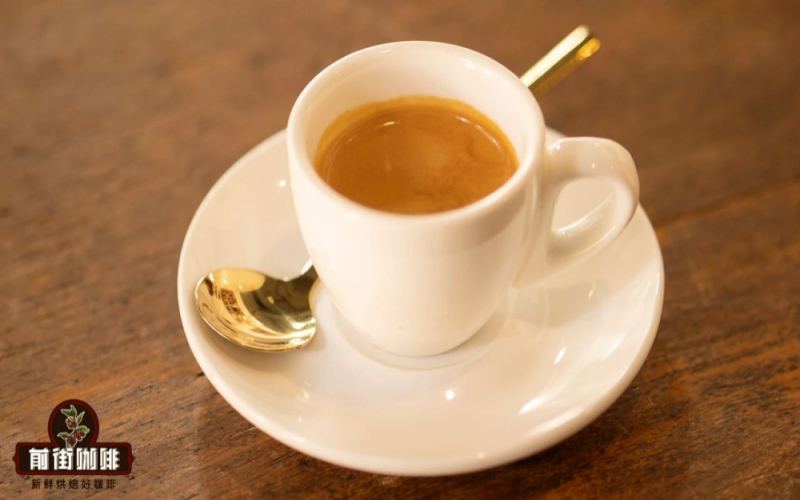
Standard Espresso Extraction Parameters and Brewing Methods, Front Street Espresso Blend Bean Buying Guide
Espresso is the foundation of café offerings and the subject many coffee enthusiasts delve into at home. How much dose, what water temperature, and how much pressure does a qualified Espresso actually require? How should extraction time and ratio be controlled? Starting from Front Street Coffee's hands-on experience, this article systematically sorts out the technical standards and extraction parameter logic of espresso, and introduces in detail the recipes, flavors, and suitable scenarios of four espresso blend coffee beans under Front Street, covering Dark Cocoa Blend, Specialty Blend, Commercial Blend, and Classic Blend. At the end, it also includes notes on purchasing coffee beans to help readers enjoy the best flavor within the peak flavor period. [more…]
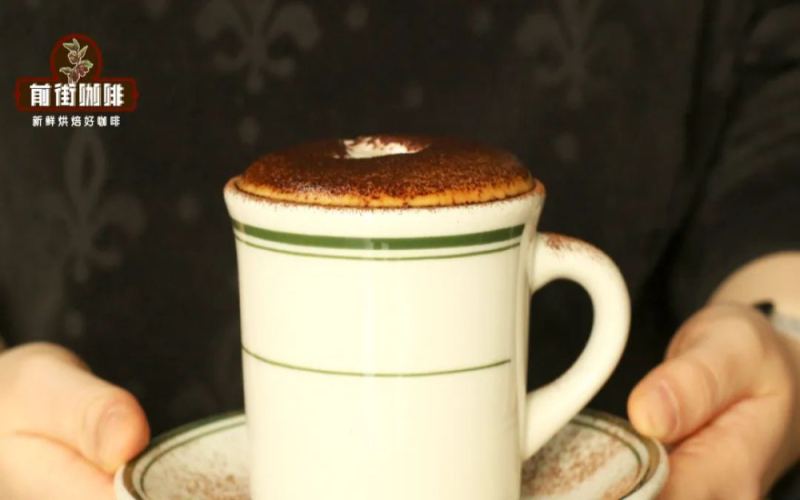
The Viral Social Media Donut Latte Home Replication Guide: A Detailed Breakdown of Recipe Ratios, Frothing Techniques, and Decoration Key Points
The donut latte that went viral on Korean social platforms, with its ring of puffed-up fluffy milk foam and cocoa powder decoration, has become a warm winter drink that gets rediscovered every time the temperature drops. Front Street has now recreated it firsthand and found that the overall barrier to making it isn't high—the key lies in controlling the ingredient ratios and the whipping state. The entire drink consists of two main parts: a hot milk coffee base and a cocoa-flavored milk cap. The base can be a hot latte or cappuccino, while the milk cap is made by mixing whipped heavy cream, syrup, and a small amount of salt. Below, we'll share the complete recipe, step-by-step instructions, and the detailed insights Front Street summarized through multiple attempts, including how the amount of milk affects the flavor, how to judge the timing of whipping the cream, and how to avoid common mishaps like the dome cracking or the coffee overflowing. [more…]
Espresso Brewing Guide: Standard Parameters, Flavor Characteristics, and Four Front Street Coffee Blend Recommendations
Espresso is the cornerstone of the modern coffee system and a topic every coffee lover cannot avoid. What should a qualified espresso look like? How should the six major parameters—dose, ratio, time, flow rate, pressure, and water temperature—be understood and coordinated? Starting from the production practices of Front Street Coffee, this article systematically sorts out the extraction standards and flavor characteristics of espresso, and provides a detailed introduction to the recipes, flavors, and applicable scenarios of four espresso coffee beans: Front Street Dark Cocoa Blend, Specialty Blend, Commercial Blend, and Warm Sun Blend. Finally, it includes practical reminders on coffee bean purchasing and the optimal tasting period, helping you make a satisfying Espresso at home or in a shop. [more…]
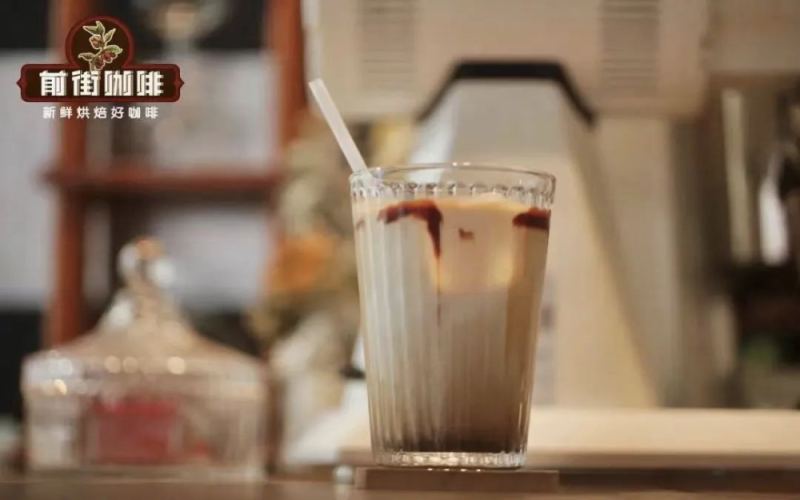
From Yemeni Ports to Espresso Bars: The Origins of Mocha Coffee, Its Recipe, and Why It's Fading from Menus
The name Mocha always conjures up images of chocolate and coffee blending together, but its origins actually point to an ancient port in Yemen. From the coffee trade monopoly of Mocha Port in the 15th century, to Italians using cocoa powder to imitate the flavor of Mocha beans in the 18th century, to the rise of fancy coffee drinks after World War II, Mocha coffee has undergone a rather winding evolution. This article traces the historical thread of Mocha coffee, explains its essential differences from a latte, introduces the specific method and recipe for a traditional Mocha, and analyzes why this high-sugar drink appears less and less on menus amid the specialty coffee wave and healthy eating trends. At the end, Front Street digs out its long-stored chocolate sauce to revisit the process of making an iced Mocha with everyone. [more…]
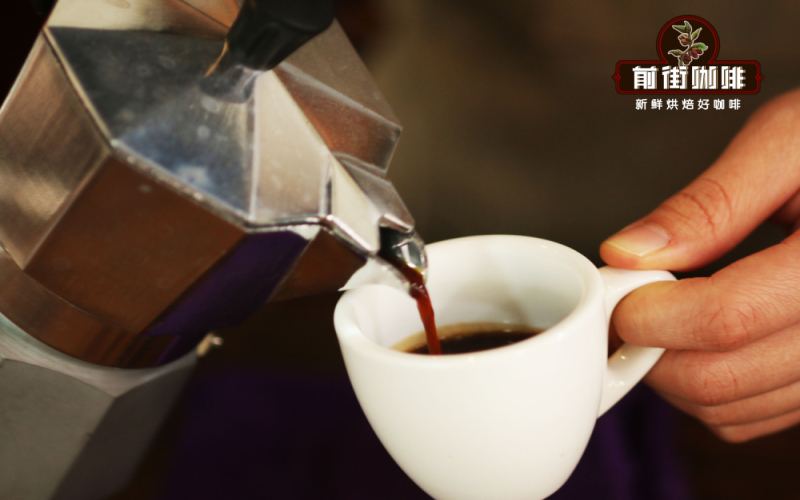
The Complete Moka Pot Brewing Guide: How to Judge Grind Size and Step-by-Step Instructions—Front Street Coffee Teaches You to Make Espresso with Ease
Want to make a rich, full-bodied cup of coffee at home with a moka pot? It's actually not complicated—the key is choosing the right beans, controlling the grind size, and getting the timing right for turning off the heat. Front Street Coffee will walk you through the complete moka pot process step by step, from bean selection and judging grind size to the specific operating steps, and also share practical tips for avoiding over-extraction and sputtering. The article also recommends Front Street's Classic Italian Blend and Dark Cocoa Blend coffee beans suitable for moka pots, and introduces a variety of ways to enjoy it, such as Americano, latte, and Vietnamese coffee, so you can easily enjoy the pleasure that a moka pot brings. [more…]